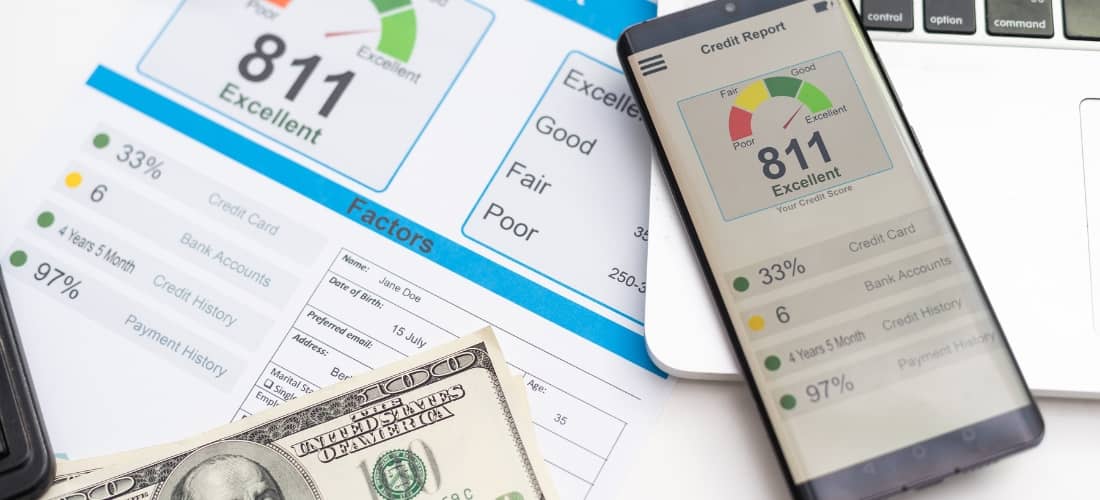
If you have ever searched for “how can I fix my credit score?” you are not alone. A low credit score can make borrowing money more expensive and may make it harder to qualify for certain loans, credit cards, housing, or other financial opportunities. The good news is that a poor credit score does not have to stay that way forever.
Your credit score is influenced by several factors, including your payment history, credit utilization, length of credit history, types of credit accounts, and recent credit activity. Because of this, improving your credit usually requires more than one quick fix. It takes a combination of reviewing your credit reports, correcting inaccurate information, managing debt responsibly, and developing healthy financial habits.
If you need to fix your credit score, the best place to start is by understanding what is currently hurting your credit. From there, you can create a practical plan to address the problems and gradually build a stronger credit profile.
At Whatcom Credit Restoration, we understand that credit problems can feel overwhelming. The right approach can help you take control of your credit situation and work toward healthier financial habits. Below are eight smart ways to improve your credit score.
1. Check Your Credit Reports for Errors
One of the first steps to fix my credit score is to review your credit reports carefully. Your credit reports contain information about your credit accounts, payment history, balances, inquiries, collections, and other information that can influence your credit profile.
Errors can happen For example, you may find an account that does not belong to you, an incorrect balance, an inaccurate payment status, or outdated personal information.
Review each section carefully and make a list of anything that appears inaccurate or unfamiliar.
Pay particular attention to:
Accounts you do not recognize
Incorrect account balances
Payments reported incorrectly
Duplicate accounts
Incorrect dates
Accounts that should no longer be reported
Inaccurate personal information
Unauthorized credit inquiries
Do not assume that every negative item is accurate simply because it appears on your report. If you identify information that is inaccurate, you can take steps to dispute it with the appropriate credit reporting agency and the company that furnished the information.
2. Make Every Payment on Time
Payment history is one of the most important factors in many credit scoring models. That means consistently paying your bills on time should be a major priority if you want to fix your credit score.
A missed or late payment can hurt your credit, especially when it becomes seriously delinquent. Repeated late payments can make it more difficult to demonstrate responsible credit management.
Create a system that makes payments easier to manage. You could use:
Automatic payments
Calendar reminders
Banking alerts
A monthly bill checklist
A dedicated account for recurring bills
If you are struggling to make a payment, do not simply ignore the problem. Contact your creditor as early as possible and ask about available options.
Going forward, focus on establishing a consistent payment history. Even if your credit has experienced problems in the past, positive payment behavior over time can help create a stronger financial pattern.
Remember that credit improvement is generally a process, not an overnight transformation.
3. Lower Your Credit Card Balances
High credit card balances can make it harder to improve your credit score. One important concept to understand is credit utilization, which generally refers to how much of your available revolving credit you are using.
For example, suppose your credit card has a $5,000 limit and you have a $4,000 balance. You are using a large portion of your available credit.
Reducing your balances can help you manage your debt while potentially improving your credit profile.
Start by reviewing all your credit card balances and interest rates. Then create a realistic repayment strategy.
You might begin with the card carrying the highest interest rate, or you may choose to pay down a smaller balance first to build momentum.
Avoid adding unnecessary purchases to cards while you are trying to reduce existing debt. The goal is to create a sustainable pattern where your balances gradually decline instead of continuing to grow.
You do not need to make your finances perfect overnight. Even consistent progress can make a meaningful difference over time.
4. Address Collections and Past-Due Accounts
If you have collections, past-due accounts, or other negative information on your credit reports, ignoring them will not make the problem disappear.
Start by identifying what you owe and determining whether the information being reported is accurate.
For legitimate debts, contact the creditor or collection agency to understand your options. Depending on your circumstances, you may be able to establish a payment arrangement or otherwise resolve the account.
Before making an agreement, make sure you understand the terms. If a creditor or collection agency offers you a specific arrangement, request the details in writing and keep copies of your records.
It is also important to understand that paying a collection does not necessarily mean every negative entry will immediately disappear from your credit report. Credit reporting and scoring can be complicated, and different situations may have different outcomes.
This is why reviewing your credit reports and understanding each account is so important when you want to fix my credit score.
5. Avoid Applying for Too Much New Credit
When your credit needs improvement, it can be tempting to apply for multiple credit cards or loans at once.
However, opening several new accounts within a short period may create unnecessary hard inquiries and can make your credit profile appear more risky to some lenders.
Before applying for new credit, ask yourself whether the account is genuinely necessary.
If you are shopping for credit, be strategic rather than submitting applications everywhere. Research your options first and understand the lender’s general qualification requirements before applying.
You should also be cautious about companies or advertisements promising an instant credit score increase simply because you open a new account.
There is rarely a legitimate shortcut to rebuilding credit. Sustainable improvement usually comes from responsible financial behavior over time.
6. Keep Older Accounts Open When Appropriate
The length of your credit history can also play a role in your credit profile. Older accounts can provide valuable history showing how you have managed credit over time.
Because of this, closing an older credit card is not always the best choice.
For example, if an older card has no annual fee and you can manage it responsibly, keeping it open may preserve its available credit and account history.
However, this does not mean you should keep every account open regardless of circumstances. If an account has expensive fees, creates financial temptation, or no longer makes sense for you, consider the overall impact before deciding what to do.
The key is to avoid making major credit decisions without considering how they could affect your broader financial picture.
Building a strong credit history takes time. Responsible account management today can contribute to a healthier credit profile in the future.
7. Build a Realistic Debt Repayment Plan
If you have several debts, it can be difficult to know where to begin. Creating a structured repayment plan can make the process more manageable.
Start by listing your debts, including:
Credit card balances
Personal loans
Auto loans
Medical debts
Student loans
Collections
Other outstanding obligations
Write down the balance, interest rate, minimum payment, and due date for each account.
Then determine how much money you can realistically dedicate to debt repayment each month.
Two common approaches are the debt avalanche and debt snowball methods.
With the debt avalanche method, you generally prioritize debts with the highest interest rates first. This can help reduce the amount of interest you pay over time.
With the debt snowball method, you focus on paying off smaller balances first. This can provide quick wins and may help you stay motivated.
The best method is the one you can consistently follow.
As your debt decreases, you may have more financial flexibility to maintain timely payments and manage your credit responsibly.
Conclusion
If you have been thinking, “I need to fix my credit score,” the most important thing to remember is that your current score does not have to define your financial future.
Start by reviewing your credit reports and identifying what is actually affecting your credit. Dispute inaccurate information when appropriate, make payments on time, reduce credit card balances, address past-due accounts, avoid unnecessary applications, and develop a realistic debt repayment strategy.
Most importantly, stay consistent.
Credit improvement rarely happens overnight. However, responsible financial habits can help you build a stronger credit profile over time.
If you need help understanding your credit situation, Whatcom Credit Restoration can be a resource as you work toward better credit habits and a healthier financial future.