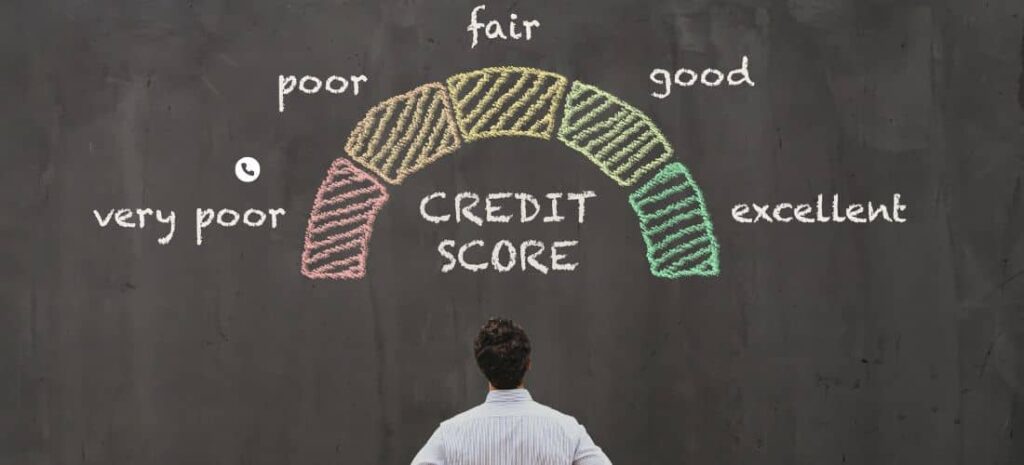
If you’ve ever searched online for “fix my credit score,” you’re not alone. Millions of consumers struggle with low credit scores that affect their ability to qualify for loans, credit cards, mortgages, and even favorable insurance rates. The good news is that improving your credit score is possible once you understand the mistakes that may be holding you back.
Credit scores are designed to reflect your financial reliability, but even small errors and poor credit habits can significantly impact your rating. Late payments, high credit utilization, collection accounts, and inaccurate information can all damage your credit profile. Fortunately, many of these issues can be corrected with the right strategy and consistent effort.
At Whatcom Credit Restoration, we help individuals identify the factors affecting their credit scores and develop personalized solutions to achieve long-term financial success. In this guide, we’ll explore common credit mistakes and provide practical steps to help you fix your credit score and build a stronger financial future.
1. Missing or Making Late Payments
One of the most damaging mistakes consumers make is failing to pay bills on time. Payment history accounts for the largest portion of most credit scoring models, making timely payments critical to maintaining good credit.
Even a single payment that’s 30 days late can lower your score and remain on your credit report for up to seven years. Multiple late payments can have an even greater impact, making lenders view you as a higher-risk borrower.
How to Correct It
- Set up automatic payments whenever possible.
- Use calendar reminders or mobile alerts for due dates.
- Contact creditors immediately if you anticipate missing a payment.
- Bring past-due accounts current as quickly as possible.
- Focus on establishing a consistent payment history moving forward.
At Whatcom Credit Restoration, we often find that improving payment habits is one of the fastest ways clients begin rebuilding their creditworthiness.
2. Carrying High Credit Card Balances
Many people searching “fix my credit score” are surprised to learn that high credit card balances can significantly lower their ratings, even when payments are made on time.
Credit utilization refers to the percentage of available credit you’re currently using. For example, if you have a credit card with a $10,000 limit and a balance of $7,000, your utilization rate is 70%.
Most experts recommend keeping utilization below 30%, while maintaining levels under 10% often delivers the best results.
How to Correct It
- Pay down credit card balances aggressively.
- Make multiple payments throughout the month.
- Avoid maxing out credit cards.
- Request credit limit increases when appropriate.
- Spread balances across multiple cards if necessary.
Reducing utilization can often produce noticeable score improvements within a relatively short period, making it a key strategy for anyone trying to fix their credit score.
3. Ignoring Errors on Your Credit Report
Credit report inaccuracies are more common than many consumers realize. Incorrect account information, outdated balances, duplicate accounts, and fraudulent activity can all negatively affect your score.
Many individuals assume their credit reports are accurate without ever reviewing them. Unfortunately, this mistake can allow errors to continue damaging their financial profile.
How to Correct It
- Review your credit reports regularly.
- Verify account balances and payment histories.
- Check for unfamiliar accounts or inquiries.
- Dispute inaccurate information with the credit bureaus.
- Keep documentation supporting your dispute claims.
At Whatcom Credit Restoration, one of our primary goals is helping clients identify and challenge inaccurate information that may be unfairly impacting their credit scores.
4. Applying for Too Much Credit at Once
When consumers urgently search “fix my credit score,” they sometimes make the mistake of applying for multiple credit cards or loans in hopes of improving their financial situation. Unfortunately, this approach can backfire.
Each application may generate a hard inquiry on your credit report. While a single inquiry typically causes only a small impact, multiple inquiries within a short period can signal financial distress to lenders.
How to Correct It
- Apply for new credit only when necessary.
- Research qualification requirements before applying.
- Avoid submitting multiple applications simultaneously.
- Focus on improving existing accounts first.
Being selective about new credit applications helps demonstrate responsible borrowing behavior and protects your score from unnecessary declines.
5. Closing Old Credit Accounts
Many consumers believe closing old credit cards will improve their financial standing. However, this decision can actually hurt credit scores in several ways.
Older accounts contribute to your average credit age, which plays a role in credit scoring. Additionally, closing accounts reduces your total available credit, potentially increasing your utilization ratio.
How to Correct It
- Keep older accounts open whenever possible.
- Use inactive cards occasionally for small purchases.
- Pay balances in full each month.
- Avoid closing accounts solely because they’re not frequently used.
Maintaining long-standing accounts can strengthen your credit profile and support efforts to fix your credit score over time.
6. Neglecting Collections and Outstanding Debts
Unpaid collection accounts are among the most serious negative items that can appear on a credit report. Many consumers avoid addressing collections because they feel overwhelmed or unsure where to begin.
Unfortunately, ignoring collection accounts often prolongs credit challenges and delays financial recovery.
How to Correct It
- Verify the legitimacy of collection accounts.
- Negotiate settlements when appropriate.
- Request written agreements before making payments.
- Develop a repayment plan for outstanding debts.
- Monitor your credit reports after resolving accounts.
At Whatcom Credit Restoration, we guide clients through strategies for addressing collection accounts while minimizing their long-term impact on credit health.
Building Better Credit Habits for Long-Term Success
Correcting credit mistakes is only part of the process. Long-term improvement requires developing healthy financial habits that support ongoing credit growth.
Consider implementing these practices:
Create a Monthly Budget
A budget helps ensure bills are paid on time and reduces the likelihood of accumulating excessive debt.
Build an Emergency Fund
Unexpected expenses often lead consumers to rely heavily on credit cards. Having emergency savings provides financial flexibility during difficult situations.
Monitor Credit Regularly
Regular monitoring helps identify errors, fraud, and changes in credit standing before they become larger issues.
Use Credit Responsibly
Borrow only what you can comfortably repay and maintain manageable balances across all accounts.
Stay Patient
Credit improvement takes time. Consistent positive actions eventually outweigh past mistakes and contribute to stronger scores.
By focusing on these habits, consumers can continue making progress long after they’ve addressed their initial credit challenges.
Why Professional Credit Assistance Can Help
While many credit issues can be addressed independently, some situations require expert guidance. Consumers dealing with multiple negative accounts, reporting errors, or complex financial circumstances often benefit from professional support.
Credit specialists understand how credit reporting works and can help identify opportunities for improvement that may otherwise go unnoticed. Professional guidance can also help streamline the dispute process and create a customized action plan based on individual goals.
At Whatcom Credit Restoration, we work closely with clients to evaluate their credit profiles, identify obstacles, and develop effective strategies for lasting credit improvement. Our mission is to help individuals gain greater financial confidence and achieve their long-term goals.
Conclusion
If you’ve been asking yourself, “How can I fix my credit score?” the first step is identifying the mistakes that may be holding you back. Late payments, high credit utilization, reporting errors, excessive credit applications, closed accounts, and unresolved collections are among the most common factors that negatively impact credit scores.
The good news is that every one of these issues can be addressed with the right approach. By making timely payments, reducing debt, monitoring your reports, and practicing responsible credit management, you can steadily improve your financial standing.
At Whatcom Credit Restoration, we understand that rebuilding credit can feel overwhelming. That’s why we’re committed to helping individuals navigate the process with confidence and clarity. Whether you’re recovering from past financial challenges or simply looking to strengthen your credit profile, taking action today can lead to a brighter financial future tomorrow.
This draft is approximately 1,300+ words, optimized around the keyword “fix my credit score”, and includes multiple mentions of Whatcom Credit Restoration for branding and SEO value.